Why It’s the Right Time to Invest in Wellness Solutions
The global wellness movement has evolved from a luxury perk to a business imperative. No longer confined to spas and high-end retreats, wellness is now a major growth engine across fitness, hospitality, real estate and workplace design. As more businesses adopt a holistic view of health, there’s never been a better time to invest in wellness solutions. Whether you’re looking to enhance your facility’s brand value, drive revenue, or future-proof your operations, wellness is no longer optional; it’s essential.
The Wellness Market Is in Hypergrowth
- The Global Surge
Valued at $1.8 trillion in 2024 and projected to rise significantly over the next decade, the global wellness economy is surging across sectors. Segments such as recovery therapy, hydrothermal experiences and wellness travel are gaining traction at unprecedented rates.
Businesses around the world are shifting from traditional fitness to integrated wellness solutions, which include therapies like cryotherapy, infrared sauna, hydrotherapy and more. These services are no longer niche offerings; they are increasingly considered vital to holistic health and high-performance lifestyles.
- Real Estate and Facility Value
A growing demand for “wellness-ready” buildings is transforming how spaces are built and marketed. Developers now prioritise amenities like fitness studios, experience showers, cold plunge pools and spa zones as part of standard offerings. These elements are central to attracting high-income residents, tenants and commercial clients.
For operators of gyms, spas, hotels, or residential communities, integrating wellness infrastructure does more than elevate the experience; it significantly enhances real estate value and long-term profitability. Consumers are not only willing to pay more for properties with wellness features, but they increasingly expect them.
Changing Consumer Mindsets
- Wellness is a Necessity
Wellness is no longer seen as indulgent. Even during economic downturns, consumers maintain or increase their wellness spending. From stress relief to sleep optimisation, the demand for wellness solutions that support total well-being continues to rise. Millennials and Gen Z, in particular, seek facilities that offer mental, emotional and physical support in a single destination.
These generations value experiences over possessions and they’re willing to spend more for health and wellness services that feel innovative, immersive and effective.
- Digital and Data-Driven Generation
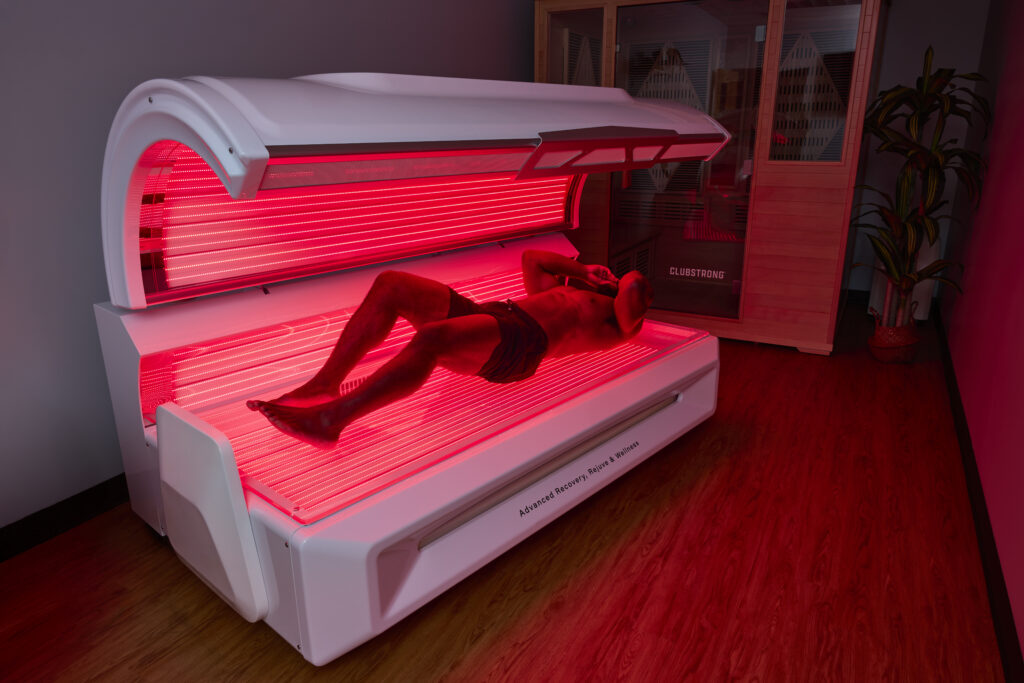
Today’s consumers want wellness experiences that integrate with their digital lives. From wearable-compatible recovery pods to smart red-light therapy stations, demand for intelligent wellness infrastructure is shaping the future of the industry.
Modern facilities must accommodate this shift by adopting technology-powered, data-informed equipment and tools. Facilities that fail to adapt risk losing relevance with younger, tech-savvy audiences.
Emerging Investment Opportunities
- Trending Solutions That Perform
Therapies like infrared saunas, contrast baths, hydro-massage beds and cryotherapy are moving from elite athlete domains into mainstream recovery offerings. These wellness solutions not only appeal to a broad customer base but also encourage repeat usage and increase session-based revenue.
Recovery lounges, spa suites and high-tech rejuvenation rooms are no longer extras, they’re expected components in forward-thinking fitness and hospitality spaces. With the right mix, businesses can drive higher average revenue per user while delivering real, science-backed results.
In the corporate world, employee well-being has become a strategic priority. Companies are building comprehensive wellness programs that include thermal therapy, guided meditation, breathwork spaces and ergonomic rest zones.
By offering modular corporate wellness packages, wellness providers can engage large-volume, recurring clients. This includes everything from in-office recovery stations to pop-up spa experiences. Companies investing in employee wellness report improved productivity, reduced turnover and stronger workplace culture, making this a valuable and scalable revenue stream.
Just as crucial is the emotional well-being of employees. By integrating mindfulness pods, sensory reset rooms, or tech-enabled meditation tools, companies are actively reducing stress levels and helping staff feel more supported and mentally grounded. Businesses that invest in holistic wellness report improved productivity, lower turnover, and stronger company culture, making this one of the most valuable and future-forward revenue streams in the wellness space.
- Trending Solutions That Perform
Infrared saunas, cryotherapy chambers, hydro-massage beds and contrast therapy pods are quickly becoming standard fixtures in high-end gyms, performance centres and recovery lounges. These solutions cater to a growing population that wants more than workouts; they want restoration, relief and results. Offering these wellness solutions can drive higher footfall, longer dwell times and increased revenue per member.
- Corporate Wellness Is Booming
Companies today aren’t just offering gym memberships; they’re building in-house wellness ecosystems. From guided stress relief and digital wellness assessments to thermal therapy pods and breathwork studios, corporate clients are eager to create healthier, happier workforces. Providers who offer modular wellness packages to these institutions will benefit from repeatable, high-margin contracts and growing demand.
- Set Your Brand Apart
Adding unique wellness offerings sets your brand apart in a saturated market. Whether it’s a sauna suite, a rejuvenation room, or a custom recovery circuit, creating a signature wellness experience elevates your facility from functional to aspirational. This is particularly true in boutique gyms, luxury hotels and premium residential projects where differentiation is everything.
Business-Centric Strategic Advantages
Wellness investments are powerful positioning tools. Facilities that integrate state-of-the-art wellness solutions send a clear message. They care deeply about their clients’ complete well-being. This fosters loyalty, boosts satisfaction scores and attracts media, influencers and partnerships.
Wellness spaces allow for monetisation far beyond standard fitness membership fees. Deluxe memberships, day-use spa access and à la carte recovery sessions are high-margin services. Additionally, these spaces can be leased to health professionals (physiotherapists, breathwork coaches, sleep consultants), creating new revenue streams without expanding your physical footprint.
The wellness economy is highly resilient. Historically, it has outperformed many other industries in times of financial uncertainty. Early adopters of wellness solutions position themselves as future-proof facilities, better equipped to meet consumer demand, adapt to health trends and attract long-term investment.
Conclusion
The question is no longer if wellness matters; it’s how well your business integrates it. The rise of wellness solutions is not a passing trend; it’s the next frontier of growth across sectors. It redefines what it means to be a gym, a spa, a hotel, a workplace, or a home. Whether you’re adding a red-light therapy pod, building a spa suite, or reimagining your recovery area, each wellness investment is a step toward long-term relevance and profitability.
At TIFC Bespoke Wellness, we help businesses build cutting-edge wellness spaces with world-class solutions. From ice baths and infrared saunas to recovery pods and rejuvenation lounges, we provide concept-to-execution support that transforms wellness from an idea into a tangible, profitable experience.
Looking to differentiate, grow and lead? Invest in wellness that performs. Connect with TIFC Bespoke Wellness today.