

Sauna: The Ancient Ritual That’s Redefining Modern Wellness

Saunas have been used for millennia as a source of healing, community and relaxation. Now, this ancient ritual is experiencing a renaissance in modern wellness culture. From high-end health clubs and social wellness clubs  to neighbourhood gyms, saunas in modern wellness are becoming must-have amenities as more people discover their powerful health benefits. In fact, sauna bathing was the fourth most-booked wellness activity on a major fitness platform. The global sauna market is surging, too! The sauna industry will be worth $1.3bn by 2030, up from $905m in 2024. For gym owners, wellness centre operators and health enthusiasts, understanding the value of saunas, such as infrared saunas, is key to staying ahead in a holistic fitness landscape.

From Ancient Ritual to Modern Wellness Staple

Saunas in modern wellness may be a hot trend now, but their origins trace back to ancient times. Thermal bathing is an age-old practice across many cultures, from Russian banyas, Turkish Hammams, Japanese Onsens, Native American sweat lodges, to the famous Finnish sauna. 

“We found that sauna sessions combined with exercise produced a mean reduction of eight millimetres of mercury,” says Kunutsor, referring to a measure of blood pressure. 

This reflects a deep-rooted belief in the healing effects of the heat. For Finns, a sauna session is almost sacred (often called the “church of nature”). In fact, many say their cares evaporate with their perspiration — perhaps one reason Finland has topped global happiness rankings for eight consecutive years.

Today, modern science is catching up with this ancient wisdom. What was once a simple tradition is now at the core of wellness culture worldwide. Over the years, technology has transformed saunas — from wood-fired chambers to efficient electric heaters, and now to experiences enhanced by aromatherapy, chromotherapy, automation, and even digital controls. Yet, despite these innovations, the essence remains unchanged: a timeless ritual for cleansing, recovery, and renewal. Busy professionals, athletes, and everyday fitness enthusiasts now embrace saunas not only for relaxation but as an integral part of their wellness routines.

Bespoke Wellness

Science-Backed Benefits of Sauna Therapy

Why are saunas such a prized addition to contemporary fitness and wellness programs? Simply put, they deliver a wide range of science-backed health benefits that complement exercise and wellness. Research in recent years has provided hard evidence for what sauna enthusiasts have felt for ages: regular heat sessions can profoundly improve our well-being. Here’s why saunas have stood the test of time, enduring as one of the most trusted and timeless paths to wellness.  

  • Heart Health & Longevity: Regular sauna bathing is linked to better cardiovascular health and even longer life. One large study found that sauna use about 3 times per week lowered all-cause mortality by 40% and fatal heart disease risk by 27%. The heat stress of a sauna session acts like a mild cardio workout, raising heart rate and improving circulation, which over time can strengthen the heart and blood vessels. Frequent sauna users have significantly lower rates of fatal cardiovascular events, suggesting saunas may help extend healthspan when used safely.
  • Muscle Recovery & Performance: For fitness enthusiasts, a sauna can be a game-changer in post-workout recovery. Heat therapy promotes greater blood flow, which flushes out metabolic waste and lactic acid, helping tired muscles recover faster. Studies show that combining exercise with sauna sessions can lower blood pressure and cholesterol, while boosting aerobic capacity and muscle recovery. Notably, infrared saunas offer a range of benefits to support your wellness and fitness recovery goals.
  • Stress Reduction & Mental Well-Being: Stepping into a sauna doesn’t just relax your body; it relaxes your mind. The enveloping heat triggers the release of endorphins (the “feel-good” hormones) and helps lower cortisol levels, the hormone associated with stress. The result is a profound sense of calm and anxiety relief. Even a single sauna session can improve mood and reduce psychological stress. According to the Kuopio Ischaemic Heart Disease Risk Factor Study, men who used saunas 2-3 times per week had a 24% reduced risk of developing hypertension, while those who used saunas 4-7 times per week had a 46% reduced risk compared to those who bathed once weekly. In our always-connected world, the sauna’s quiet, screen-free environment also encourages mindfulness, giving users a mental reset that supports overall mental wellness.
  • Improved Circulation & Detoxification: The high heat causes blood vessels to dilate, boosting circulation throughout the body. Better blood flow means more oxygen and nutrients reach your muscles and organs. Many sauna proponents also tout the detox effect: intense sweating can help flush out some toxins through the skin. In infrared saunas, gentle radiant heat penetrates deeper into the skin, boosting circulation, flushing out toxins, and enhancing natural collagen for a revitalised, healthy glow. While sweat-induced detoxification has limits, there’s no doubt that a good sauna sweat leaves you feeling cleansed and refreshed, with skin that looks and feels rejuvenated.
  • Reduced Inflammation & Pain Relief: Heat therapy has a powerful anti-inflammatory effect. Regular sauna use is associated with lower levels of C-reactive protein, a key marker of systemic inflammation. This matters because chronic inflammation is linked to many diseases (from arthritis to heart conditions). By temporarily elevating body temperature, saunas can help dial down inflammation and ease aches or joint pain. In fact, some experts believe that these heat-induced effects may be especially beneficial for individuals who cannot exercise vigorously, providing an alternative path to maintain cardiovascular health and manage pain. It’s no surprise that many people with stiff joints or sore muscles find significant relief after warming up in a sauna.
  • Respiratory and Skin Benefits of Infrared Sauna: An infrared sauna offers the restorative power of gentle, radiant heat that penetrates deep beneath the skin’s surface. Unlike traditional saunas, infrared heat warms the body directly, enhancing circulation and promoting detoxification through deep, purifying sweat. This process helps eliminate impurities, unclog pores and boost collagen production, leaving the skin visibly refreshed and revitalised. For respiratory comfort, the dry, soothing warmth can help ease tension in the chest and relax airways, supporting easier breathing and overall relaxation. Infrared sessions are often described as a full-body reset — combining skin renewal, improved circulation and stress relief. For modern wellness seekers, it’s the perfect balance of beauty, recovery and inner rejuvenation.
  • Social Wellness & Community: Beyond individual benefits, saunas have long been spaces for connection and community. In Finland, families and friends traditionally gather in saunas to bond, reflect, and share stories, a cultural practice now reflected in modern social wellness clubs across the world.

Today, people are actively seeking friendship, belonging and shared experiences in spaces that improve their health, from group recovery sessions to community sauna rituals. Studies even show that sauna bathers report higher levels of happiness and energy, and lower anxiety and depression compared to non-users, with most preferring to bathe with others rather than alone.

This evolution shows how wellness is no longer a solitary pursuit. It’s a shared experience, blending recovery, connection and emotional well-being.

It’s important to note that while the benefits of saunas are impressive, heat therapy isn’t a cure-all—more on that in the FAQ below.

Saunas in modern wellness

Saunas in Modern Fitness & Wellness Facilities

Beyond personal health benefits, saunas have evolved into a strategic asset for gyms and wellness centres. The rise of social wellness clubs reflects this shift, where people come together not just to train but to connect, recover, and recharge collectively.

As McKinsey’s latest wellness research highlights, more consumers, especially younger generations, now prioritise holistic health and community-driven experiences over individual fitness goals. Offering amenities like saunas allows gyms to tap into this movement, transforming facilities into inclusive spaces that promote both personal well-being and shared connection.

For gym owners and wellness centre operators, the business case for saunas is compelling. These heat havens don’t just attract new visitors. They keep existing members happier and more loyal. Facilities that offer saunas (especially differentiated options like infrared saunas, salt saunas, bio saunas, etc.) often see a boost in membership retention. Members simply stay longer and visit more frequently when they have access to therapeutic amenities that help them recover faster and de-stress. Saunas also broaden a gym’s appeal beyond hardcore exercise enthusiasts. They attract a wider audience, from older adults seeking gentle wellness therapy, to busy professionals looking for stress relief, to beauty and spa enthusiasts chasing that post-sauna glow. In short, a sauna turns a fitness facility into a more holistic wellness destination.

Finally, embracing saunas aligns with the broader shift toward holistic wellness in the industry. Top clubs now market themselves not just as places to work out, but as sanctuaries for health optimisation and self-care. By integrating ancient practices like sauna bathing with modern training, forward-thinking facilities demonstrate their commitment to mind-body wellness. This trend is here to stay: wellness analysts predict sustained growth in sauna installations commercially and even at home, as more people seek drug-free ways to boost recovery, immunity and mental health. Saunas are quickly becoming a staple in modern fitness and wellness spaces.
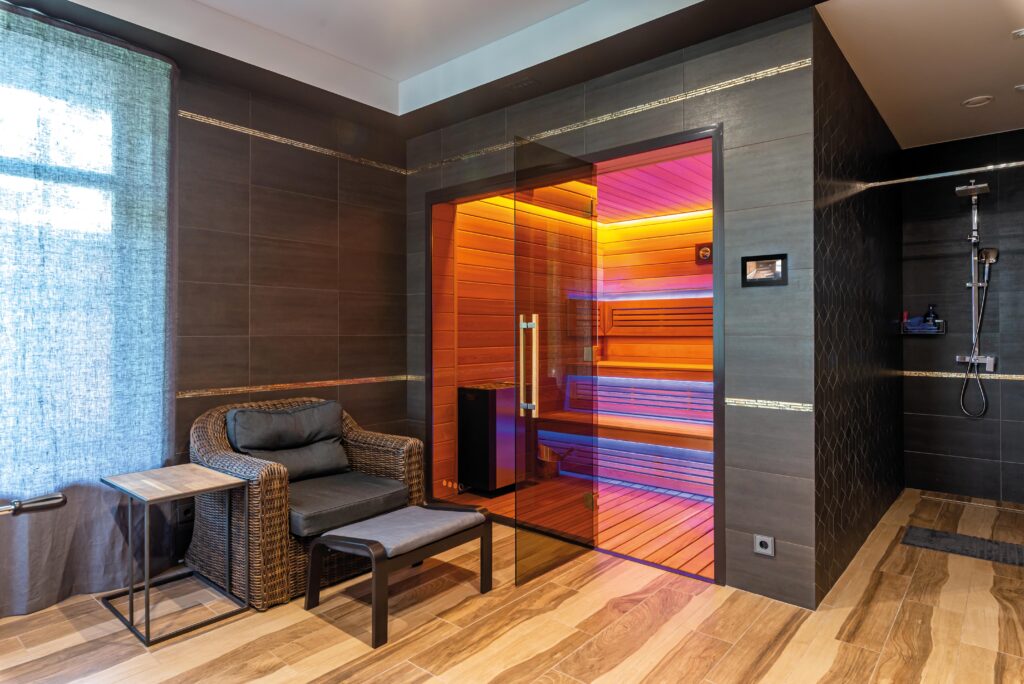
Infrared Sauna for Modern Wellness  

Conclusion

Sauna bathing is truly “the ancient ritual redefining modern wellness.” What began thousands of years ago as a simple practice of sitting in sweat lodges or wooden huts has evolved into a cutting-edge wellness therapy backed by scientific research and embraced by fitness and wellness communities worldwide. Regular sauna sessions can enhance physical health, from heart function and muscle recovery to skin clarity, while also nurturing mental well-being through stress relief and relaxation. For individuals, it’s a natural and enjoyable way to invest in their health. For gyms and wellness centres, saunas in modern wellness represent an opportunity to elevate the member experience, improve retention and stand out in a competitive market.

Incorporating a sauna (be it a Finnish Sauna, Bio Sauna or Infrared Sauna) is no longer just an added luxury. It’s increasingly seen as an essential wellness offering. As you consider the next steps for your fitness or spa facility, remember that trends may come and go, but the therapeutic power of heat endures. By blending ancient sauna traditions with modern knowledge and technology, we create spaces where people can heal, connect and become their healthiest selves.

TIFC Bespoke Wellness is proud to support this global wellness revolution. Through our team of hydrothermal specialists and exclusive international partnerships, we design customised sauna experiences that perfectly balance innovation and tradition. From concept ideation to schematic and detailed design, made-to-measure production, and complete supply, installation, commissioning, and after-sales support, we deliver turnkey Spa, Recovery, and longevity spaces featuring state-of-the-art infrared saunas, contrast therapy, and ice baths.

At TIFC Bespoke Wellness, we bring wellness journeys to life, seamlessly, thoughtfully, and nationwide.

By adding advanced recovery & longevity technologies such as cryotherapy, Hyperbaric Oxygen therapy, Red Light Therapy, contrast therapy, etc., facilities can deliver measurable results while unlocking premium positioning and new revenue streams. With Pan-India reach and in-house technical expertise, TIFC ensures reliable delivery, training and long-term support for every project—making every solution seamless, modern and efficient.

Frequently Asked Question (FAQs)

1. Why are saunas becoming so popular in modern wellness?

Saunas check many boxes for today’s wellness trends. Rooted in multiple ancient cultures, the practice of thermal bathing is being readopted in modern life. While the technology and innovation behind saunas have evolved (e.g. from wood-fired rooms to electric heaters and advanced infrared systems), the purpose and principle remain the same: aiding recovery, reducing stress, and cleansing the body. Modern studies validating sauna benefits, such as improved heart health and longevity, have further fueled their popularity. Plus, saunas provide a rare digital detox environment (no phones, just heat and silence), appealing to those seeking mental clarity. As wellness culture expands beyond just working out, saunas have emerged as a convenient, feel-good therapy that complements exercise and appeals to a broad audience.

2. What health benefits can regular sauna use provide?

Regular sauna use can lead to significant health benefits. Physically, it improves circulation and cardiovascular function – a sauna session even raises your heart rate and mimics light cardio exercise. Saunas are well-known for stress relief: they promote endorphins and lower stress hormones, leaving you calmer and improving sleep quality. Other benefits include clearing up congested sinuses and improving skin health by sweating out impurities. In short, saunas contribute to better cardiovascular health, faster recovery, relaxation and even some cosmetic perks like healthier skin.

3. What’s the difference between infrared saunas and traditional dry saunas?

Infrared saunas and traditional dry saunas both use heat to promote relaxation, sweating, and recovery, but the way they work, how they feel, and the overall intent of the sauna differ substantially. A traditional dry sauna heats the air inside a wood-lined room, raising the temperature to around 160–200°F (70–90°C) with low humidity. The hot air then warms your body from the outside in, creating an intense, full-room heat experience. An infrared sauna, on the other hand, uses infrared light waves to heat your body directly rather than the surrounding air. This results in a gentler atmosphere, typically around 110–140°F (43–60°C), while still delivering deep tissue warmth that improves circulation, eases muscle tension, and supports recovery. Many users find infrared saunas more comfortable for longer sessions, thanks to their lower air temperature and deeper, targeted heat. In short, traditional saunas heat the room to heat you, while infrared saunas heat you directly, offering two unique yet complementary approaches to modern wellness.

4. Are saunas safe for everyone?

Saunas are generally safe for healthy individuals when used properly, but those with heart conditions, abnormal blood pressure, epilepsy, or pregnancy should consult a doctor first. Similarly, anyone on medications that impair heat tolerance (like some antibiotics or stimulants) should be cautious. Even for healthy users, moderation is key: staying too long in extreme heat can lead to dehydration or overheating. It’s recommended to limit sessions typically to about 10–15 minutes at a time, drink plenty of water and cool down gradually.

5. How can a gym or wellness centre integrate a sauna effectively?

Integrating a sauna into a commercial facility involves both smart planning and member education. First, consider the space and type of sauna that fits your clientele. For instance, a traditional dry sauna or an infrared sauna may suit a high-intensity training gym. It’s also important to factor in geographic and cultural preferences: in Western markets, traditional dry saunas are more popular, while in regions like the Middle East and India, wet saunas (bio saunas) are often favoured for their humid heat and perceived detoxifying benefits. Work with experienced wellness solution providers for design, installation, and ventilation requirements, ensuring the sauna meets safety standards and capacity needs. Finally, once installed, actively educate and encourage members to incorporate sauna sessions into their wellness routine for maximum impact.