
2025 Wellness Trends: Cold Rooms, Steam Rooms & Hydrotherapy for Elite Recovery
Wellness evolved in 2025 from ambience to outcomes, relaxation to resilience-driven recovery. Savvy members demand modalities enhancing long-term health.
Recovery infrastructure differentiates top gyms, hotels, centers. 2025 wellness trends spotlight temperature therapy, hydrotherapy and salt therapy rooms as essentials. McKinsey values global wellness at $2T.
2025: The Wellness World’s Recovery Breakthrough
Five transformative wellness trends redefined recovery infrastructure in 2025, with temperature therapy, halotherapy, professional treatment spaces, hydrotherapy and strategic implementation becoming essential investments that delivered measurable results.
1. Temperature Therapy: Cold Rooms & Steam Rooms in 2025 Wellness Trends
Cold rooms (10-15°C ) became essential, eliminating ice prep hassles. Members integrate sessions seamlessly post-workout. Contrast therapy reduces soreness. (As per the published research in the Journal of Clinical Medicine.)
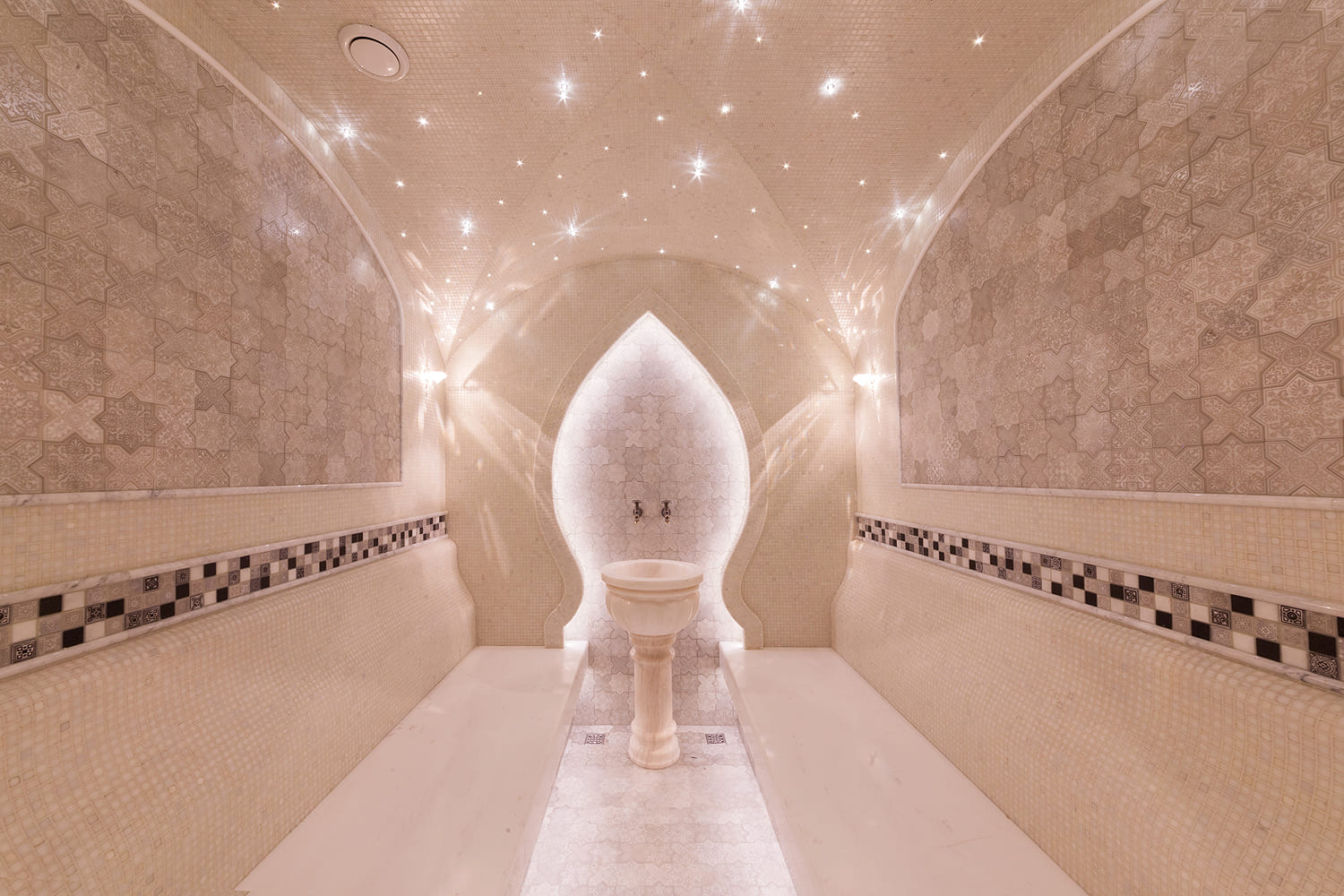
Steam rooms complement perfectly with precise humidity and antimicrobial surfaces. Heat dilates vessels; cold reduces inflammation. Members embrace weekly recovery circuits.
Contrast therapy boosts perfusion 50-100% vs. passive recovery (Scientific studies demonstrate). 2025 wellness trends prove strategic temperature accelerates adaptation.
Transform your facility with therapeutic recovery zones.
2. Salt Therapy Rooms: Respiratory Wellness Redefined
Salt therapy rooms harness pharmaceutical-grade halotherapy. They deliver deep respiratory relief, skin rejuvenation and immune support for urban wellness seekers. (Research from the Global Wellness Institute).
30-45 minute sessions fit seamlessly into daily wellness routines. Historical evidence shows salt miners enjoyed superior respiratory health, as confirmed by Cleveland Clinic research.
Urban salt therapy rooms draw members seeking skin and immune wellness. High utilisation rates confirm strong ROI, especially in air-quality-challenged urban markets.
3. Treatment Tables: Premium Recovert Revenue
Treatment tables enable massage, PT and sports therapy, generating ancillary revenue. Features: electric adjustment, ergonomic stability, commercial durability.
Facilities that introduced dedicated recovery zones turned unused space into high-value profit centres. Properly equipped treatment areas improved member satisfaction, increased retention and supported premium pricing across boutique studios and large wellness centres alike.
Treatment tables proved to be revenue drivers, paying for themselves quickly through bookings and upgraded memberships.
4. Hydrotherapy Tub: Core 2025 Wellness Infrastructure
Commercial hydrotherapy tubs deliver therapeutic jets, precise temperature and advanced filtration for 24/7 operation.
Hydrotherapy reduces soreness vs. passive recovery (Research in the Journal of Strength and Conditioning Research)
Warm water immersion eased muscle tension, improved mobility and supported faster recovery through targeted hydrotherapy jets. Members valued the ability to customise recovery for specific muscle groups while benefiting from gentle cardiovascular stimulation.
For operators, hydrotherapy tubs delivered more than recovery. They increased visit duration, attracted older, wellness-focused members and created social recovery spaces that strengthened community connections and long-term facility loyalty.
Build recovery spaces that drive retention and revenue.
5. The 2025 Wellness Infrastructure Blueprint
Wellness facilities found success blending therapeutic benefits with smart design. Cold rooms for immersion therapy are paired naturally with steam rooms for heat exposure. These became signature recovery spaces rather than hidden corners.
Dedicated treatment spaces with quality treatment tables became common. Practitioners offered massage, physical therapy and recovery sessions in these private areas, creating natural service expansion.
Hydrotherapy tubs rounded out recovery offerings. These served everyone from athletes doing active recovery to older adults seeking gentle rehabilitation and relaxation.
Salt therapy rooms addressed respiratory wellness, particularly appealing in urban areas with air quality challenges. Health-conscious members appreciated this holistic addition to the traditional recovery.
What 2025 Revealed About Wellness
Members became more recovery-savvy in 2025, learning about elite protocols, biohacking trends and social wellness content. Facilities offering modern recovery infrastructure saw strong loyalty. Those stuck with basic amenities noticed members drifting toward more comprehensive options.
Facilities diversified beyond memberships by adding professional services, salt therapy rooms, contrast therapy and hydrotherapy experiences. These comprehensive offerings naturally supported stronger pricing and resilience in competitive markets.
Key Takeaways From 2025 Trends
The 2025 wellness trends set new standards: cold rooms and steam rooms for temperature therapy, treatment tables for professional services, hydrotherapy tubs for therapeutic immersion and salt therapy rooms for respiratory health. Facilities with comprehensive recovery kept their members loyal, while others saw a drift to competitors.
Forward- thinking facilities partnered with experts like TIFC Bespoke Wellness, leveraging global wellness equipment and comprehensive planning to create recovery spaces meeting modern member demands for holistic and science-backed wellness.
Ready to implement a winning wellness infrastructure?