Cold Plunge Benefits: What Science Says About Daily Use of Cold Plunge
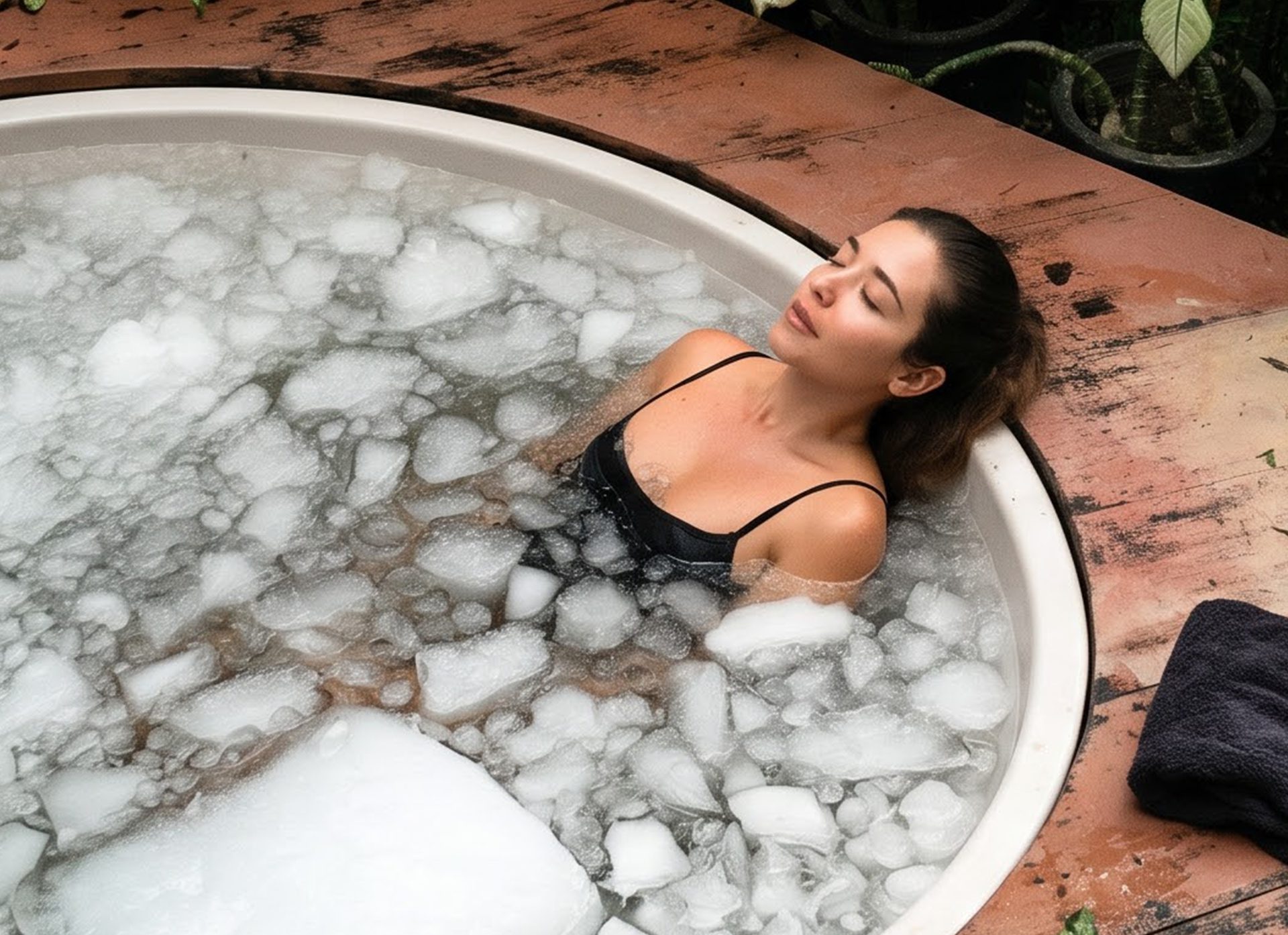
The modern wellness landscape is increasingly shaped by the connection between recovery and performance. Once associated primarily with elite sport, the cold plunge has become a purposeful feature in premium fitness clubs, rehabilitation centres, hospitality destinations and private wellness spaces, reflecting a wider shift towards evidence-informed recovery.
As cold plunge has grown in popularity, so too have the claims around it, making it important to separate proven outcomes from wellness trends. Recent reviews suggest that cold-water immersion may reduce post-exercise muscle soreness, support recovery and improve short-term well-being, while many broader cold-water bath benefits still require stronger scientific validation.
Understanding the science behind these cold water bath benefits helps wellness facilities make informed decisions when integrating cold plunge systems into a recovery environment designed to support long-term performance and holistic well-being.
What Happens to the Body During a Cold Plunge?
Cold-water immersion triggers immediate physiological responses as the body works to preserve core temperature. Blood vessels constrict (vasoconstriction), heart rate and respiration increase temporarily, and the sympathetic nervous system activates, releasing catecholamines such as norepinephrine, thereby creating the initial heightened alertness.
Once immersion ends, gradual rewarming restores circulation as blood flow returns to the muscles and skin. This cooling-and-recovery cycle forms the physiological basis behind many recognised cold plunge benefits, particularly those linked to exercise recovery and perceived reductions in muscle soreness.
Scientific evidence (PMC11778651) indicates that the effectiveness of cold immersion depends on several variables, including water temperature, immersion duration, exercise intensity and individual health status. Prolonged exposure or colder temperatures do not necessarily deliver better outcomes; in fact, carefully controlled protocols tend to produce the most reliable results while minimising unnecessary physiological stress.
Science-Backed Cold Water Bath Benefits
While research continues to evolve, several cold water bath benefits have been supported by systematic reviews and meta-analyses. These findings explain why cold-water immersion has become a recognised recovery tool in professional sport and increasingly, in premium wellness environments.
Helps Reduce Muscle Soreness After Intense Exercise
One of the most researched cold plunge benefits is its ability to reduce delayed-onset muscle soreness (DOMS) after demanding physical activity.
High-intensity training, endurance events and competitive sports place significant stress on skeletal muscles, often leading to soreness that peaks between 24 and 72 hours after exercise. An ice bath after workout is commonly used because lowering muscle temperature may reduce pain perception and temporarily slow nerve conduction, helping recovery feel more comfortable.
Comprehensive reviews consistently report that cold-water immersion reduces perceived muscle soreness more effectively than passive recovery. While the evidence does not show that cold immersion directly accelerates tissue repair, it does improve subjective recovery, helping athletes and active individuals to resume training with greater comfort.
When integrated into a broader recovery regimen that includes nutrition, sleep, and mobility, ice bath recovery can offer meaningful value, especially during periods of frequent competition or intensive training.
Supports Faster Recovery Between Training Sessions
Recovery goes beyond easing discomfort. Its purpose is to restore readiness for next physical demands while supporting consistent performance.
This is where cold therapy can be especially valuable. Cold-water immersion has become an established recovery modality because it can reduce perceived fatigue after strenuous exercise and improve subjective readiness for the next training session.
Ice bath therapy is especially useful when recovery windows are limited, such as during tournaments, multi-day competitions or consecutive training sessions. Benefits are often most noticeable within the first 24 hours after exercise, when reduced soreness and fatigue support recovery.
Context, however, remains important. Evidence also suggests that routine cold immersion immediately following heavy resistance training may attenuate some of the biological signalling associated with muscle hypertrophy. For individuals focused on maximal muscle growth, the timing of recovery interventions should be considered carefully.
Transform your facility with therapeutic recovery zones.
May Support Mood and Stress Resilience
Beyond physical recovery, emerging research continues to explore the relationship between cold plunging and mental wellbeing, further expanding our understanding of cold water bath benefits.
Exposure to cold stimulates the release of norepinephrine while activating the body’s natural stress response. Over time, researchers believe this controlled physiological challenge may contribute to improved resilience, helping the body adapt more effectively to everyday stressors.
Recent systematic reviews provide promising evidence of reduced stress, alongside improvements in sleep quality and overall well-being following regular cold-water immersion (PMC11778651). However, researchers continue to note that current studies are limited by relatively small cohort sizes and need validation through larger clinical trials.
These findings position cold immersion as a potentially valuable complement within a comprehensive wellness strategy, rather than as a standalone solution for mental health.
Helps Regulate Body Temperature After Exercise
Another recognised benefit of a cold water bath is its ability to reduce elevated body temperature after strenuous physical activity.
Endurance athletes, outdoor sports professionals and individuals exercising in warmer climates often experience significant thermal stress. Cold plunging can support faster cooling than passive recovery, improving comfort and readiness for subsequent activity.
For this reason, many elite sporting organisations continue to include cold therapy in structured recovery protocols, particularly during repeated competition where efficient recovery can offer a competitive advantage.
Current evidence suggests that these benefits are most pronounced when cold immersion is part of a carefully planned recovery programme rather than being used as an isolated intervention.
What About Ice Bath Benefits for Skin?
Although cold water bath benefits are often associated with improved skin appearance, the evidence supporting these outcomes remains much more limited than the research on exercise recovery. Despite of many anecdotal claims, the scientific literature supports a more measured perspective.
Cold-induced vasoconstriction can temporarily reduce facial puffiness and redness immediately after immersion. As circulation returns during rewarming, many notice a refreshed appearance and improved skin tone. Preliminary research suggests cold therapy may also affect inflammation and support skin barrier function, though further clinical investigation is required.
Ice bath benefits for skin are best understood as complementary rather than transformative. Cold plunging cannot replace professional skincare, but it can support skin health as part of a wellness routine by helping reduce exercise-induced inflammation and supporting recovery.
Common Claims That Still Require More Scientific Evidence
Weight Management
Although cold exposure increases energy expenditure as the body works to maintain core temperature, current evidence does not support the idea that regular ice baths produce meaningful weight loss (PMC9518606). Lifestyle factors such as nutrition, exercise, and sleep remain far more influential on body composition.
Immunity
Despite encouraging trends in immune markers, available evidence remains inconsistent and is not sufficient to conclude that daily cold baths strengthen immunity or prevent illness.
Better Sleep
Reported improvements in sleep quality are likely related to stress reduction and recovery rather than direct physiological effects. Larger randomised controlled trials are still needed to confirm these benefits.
Longevity
While interest in the potential cold water bath benefits continues to grow, there is no high-quality clinical evidence showing that routine cold-water immersion directly extends lifespan. Any long-term health benefits remain speculative.
When Is the Best Time to Take an Ice Bath?
Timing significantly influences the effectiveness of cold-water immersion. An ice bath after workout is often most effective after endurance training, back-to-back competitions, or high-volume exercise, where the focus is on rapid recovery. This can help reduce perceived soreness and improves readiness, making it well-suited for structured ice bath recovery.
However, immediate immersion after heavy resistance training may interfere with cellular signalling pathways needed for muscle protein synthesis and hypertrophy. Those prioritising strength or muscle growth should delay ice bath therapy or limit it to highly demanding training blocks.
Ultimately, the timing of cold immersion should align with specific goals of recovery, performance, or adaptation.
Who Should Avoid Daily Cold Baths?
Although cold-water immersion is generally well tolerated by healthy individuals, cold water bath benefits can only be realised when it is practised safely and may not be suitable for everyone.
Individuals with cardiovascular disease, uncontrolled hypertension, Raynaud’s phenomenon or cold hypersensitivity should seek medical advice before beginning any cold immersion programme. Sudden exposure to very cold water can trigger rapid changes in heart rate and blood pressure, increasing cardiovascular stress in susceptible individuals.
Safe practice requires gradual adaptation, controlled immersion times and carefully maintained water temperatures. Professional supervision may also be appropriate in commercial wellness or rehabilitation settings, where protocols are part of a broader health programme.
Choosing the Right Cold Plunge Solution
Science shows that successful cold immersion relies on consistency rather than extremes, which means the full cold water bath benefits are more likely to be achieved with high-quality equipment and a well-designed recovery protocol. Purpose-built systems provide stable temperatures, advanced filtration and hygienic circulation that are difficult to match with improvised setups. For commercial facilities, reliability and easy maintenance are essential for ensuring a consistent user experience and strong operational performance.
As a trusted cold plunge tub supplier India, TIFC applies its bespoke wellness engineering philosophy to cold immersion. Each quality-engineered installation combines premium materials and dependable temperature control to create purposeful recovery environments for luxury fitness clubs, hospitality destinations, rehabilitation centres and private wellness spaces.
Whether specifying a cold plunge tub for gym in India or developing a hydrotherapy suite with bespoke saunas, the focus remains on integration, reliability and commercial value. TIFC’s engineered recovery environments can help enhance member satisfaction and the long-term appeal of premium wellness facilities.
Build recovery spaces that drive retention and revenue.