
Why Infrared Sauna in India Is Becoming a Wellness Essential
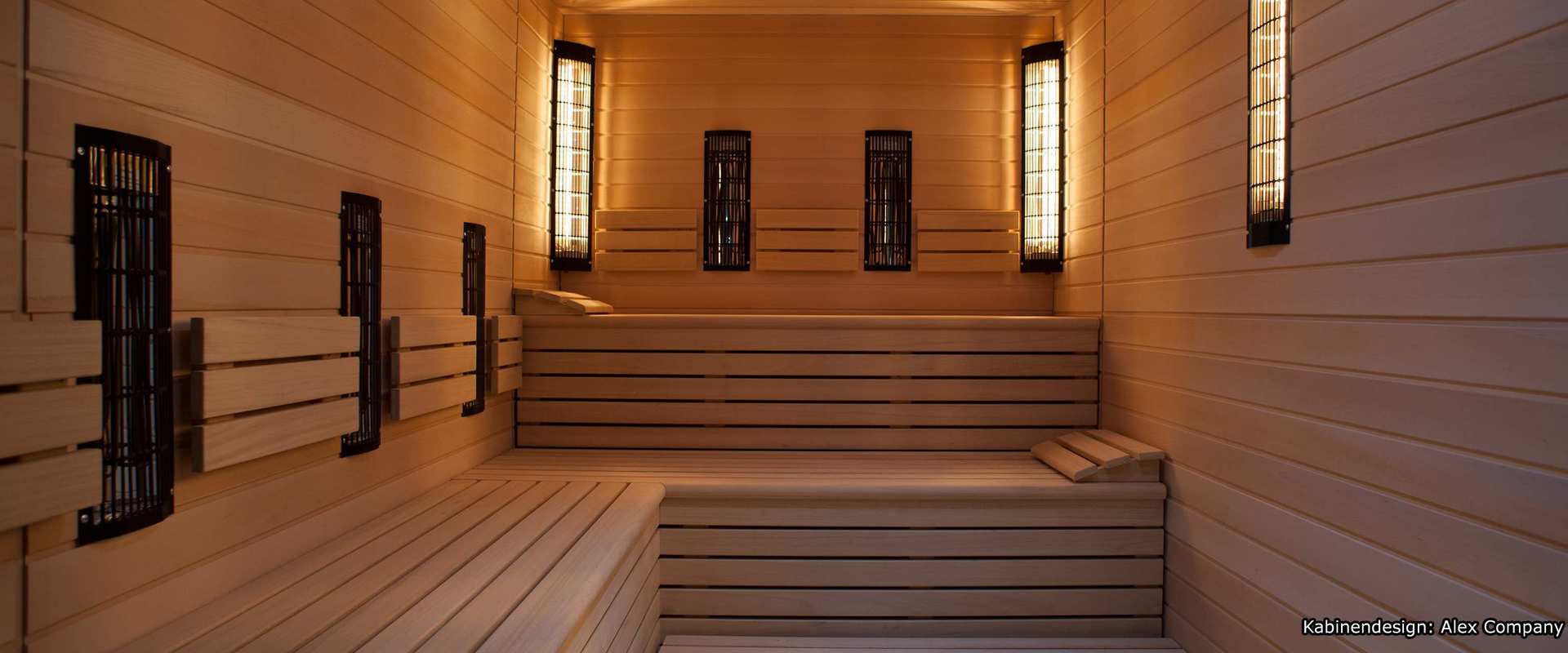
Wellness is measured more than fitness alone. The most thoughtful wellness environments are designed around recovery and long-term performance, making passive heat therapy an important part of the experience. As a result, the infrared sauna in India is becoming a valued feature in luxury residences, premium fitness clubs, hospitality destinations and rehabilitation facilities.
This growing interest is supported by research suggesting that passive heat therapy may aid exercise recovery, cardiovascular function and overall wellbeing. While long-term outcomes still require further large-scale study, current evidence points to potential health benefits that extend beyond relaxation.
As demand for purposeful wellness spaces continues to grow, the infrared sauna in India is increasingly recognised as a long-term investment in elevated user experiences, engineered quality and holistic wellbeing.
What Makes an Infrared Sauna Different?
Unlike conventional saunas that simply heat the surrounding air to create an intensely warm environment, an infrared sauna uses far-infrared wavelengths to warm the body directly. This radiant heat produces a comfortable thermal experience at lower ambient temperatures, typically between 45°C and 60°C, while still encouraging deep perspiration and relaxation.
This distinction makes infrared sauna therapy appealing to individuals who may find traditional high-temperature saunas overwhelming. The gentler environment often allows for longer, more comfortable sessions without compromising the restorative benefits associated with passive heat exposure.
Research also indicates that infrared heat may stimulate physiological responses similar to other forms of passive heating, including increased heart rate, improved circulation and temporary vasodilation. These responses continue to be investigated for their potential role in supporting recovery and cardiovascular health.
Why Infrared Sauna in India Is Seeing Rapid Growth
The wellness landscape across India has undergone a notable transformation over the past decade. Luxury developments increasingly integrate wellness into their architectural planning rather than treating it as an optional amenity. Fitness centres now dedicate more space to recovery, hospitality brands differentiate themselves through curated wellness experiences and premium residences increasingly include private spa facilities.
As a result, infrared saunas in India have gained momentum because they complement the growing focus on preventative wellbeing and holistic recovery. Rather than serving as a standalone feature, they are often part of an integrated wellness journey that may also include Finnish saunas, hydrotherapy, cold plunge pools and relaxation lounges.
For commercial operators, this evolution reflects changing expectations. Guests and members increasingly value recovery experiences that are scientifically informed and thoughtfully designed, making wellness infrastructure a meaningful part of the overall experience rather than a decorative addition.
Transform your facility with therapeutic recovery zones.
Science-Backed Benefits of Infrared Sauna Therapy
Interest in infrared sauna therapy continues to grow as several potential benefits are supported by emerging scientific evidence. While research remains ongoing, current findings suggest that passive heat therapy can be a valuable part of a comprehensive wellness programme.
- Supports Recovery After Exercise
Exercise places temporary stress on muscles, connective tissues and the cardiovascular system. Passive heat therapy may promote increased circulation, encouraging the delivery of nutrients and oxygen throughout the body while supporting post-exercise relaxation.
For this reason, premium fitness facilities increasingly integrate recovery zones alongside training areas. A thoughtfully designed sauna for gyms complements strength and endurance programmes by providing members with a dedicated environment for recovery, relaxation and overall wellbeing.
Although passive heat should not be viewed as a replacement for sleep, nutrition or structured recovery, evidence suggests it can form a valuable component of a broader recovery strategy.
- May Promote Relaxation and Stress Reduction
One of the most immediate effects of sauna bathing is a profound sense of relaxation. Heat exposure activates natural thermoregulatory responses while encouraging muscle relaxation and helping reduce temporary physiological stress.
Several studies report improvements in perceived well-being, stress reduction and sleep quality following regular passive heat exposure. Researchers believe these effects may result from both physiological adaptations and the calming environment typically associated with sauna use, although additional long-term clinical studies are still needed.
- May Support Cardiovascular Health
Passive heat therapy has been widely studied for its effects on cardiovascular health. During an infrared sauna session, rising body temperature may increase circulation. It dilates blood vessels, producing a response similar to low-to-moderate intensity exercise, though it is not a substitute for physical activity.
Research suggests that regular sauna use may support vascular function, help reduce arterial stiffness and contribute to healthy blood pressure by promoting beneficial adaptations within the circulatory system. These effects may complement other healthy lifestyle habits, especially regular exercise.
While the evidence is promising, infrared sauna use should be considered one part of a broader wellness strategy rather than a treatment for cardiovascular disease.
- A Comfortable Heat Experience for Everyday Wellness
Accessibility is one of the key advantages of infrared saunas in India. Unlike traditional saunas, which operate between 70°C and 100°C, infrared models provide radiant heat at lower temperatures while still promoting perspiration and relaxation. This gentler environment often allows for longer, more comfortable sessions, making heat therapy accessible to a wider range of users.
For wellness businesses, this creates an experience that appeals to both experienced sauna users and first-time visitors, offering a welcoming amenity that supports the growing demand for recovery and relaxation.
Infrared Sauna vs Traditional Finnish Sauna
Choosing between an infrared sauna and a traditional Finnish sauna is not a question of superiority. Instead, it depends upon the intended wellness outcome, operational requirements and user preferences.
A traditional Finnish sauna creates an immersive heat experience by warming the surrounding air to high temperatures, producing an invigorating environment that has been enjoyed for centuries. It remains central to authentic sauna culture and is supported by decades of clinical research demonstrating broad health benefits.
By comparison, infrared sauna therapy uses radiant heat to warm the body more directly while maintaining lower air temperatures. This creates a calmer experience that many users find easier to tolerate during longer sessions, particularly when relaxation and recovery are the primary objectives.
Rather than replacing the traditional sauna in India, infrared technology expands the range of wellness experiences available within a thoughtfully designed facility. Many premium developments now incorporate both solutions, creating complementary heat experiences that cater to different recovery goals and user expectations.
Why Commercial Wellness Spaces Are Investing in Infrared Saunas
The rapid growth of wellness tourism and recovery-focused fitness has reshaped expectations across hospitality, commercial fitness and luxury residential developments. Guests and members increasingly value experiences that extend beyond aesthetics, favouring amenities supported by credible wellness principles.
For hospitality brands, a thoughtfully designed sauna for hotels enhances the overall guest journey by transforming spa facilities into destinations for restoration and relaxation. Premium wellness amenities also strengthen brand positioning while encouraging longer guest engagement and repeat visits.
Within the fitness industry, a dedicated sauna for gyms complements training spaces by providing members with an environment designed for post-exercise recovery and relaxation. As recovery becomes an important part of performance-focused fitness, integrated wellness facilities create additional value that extends well beyond traditional exercise equipment.
Private residences have followed a similar trajectory. Wellness is no longer viewed as an occasional indulgence but as a considered part of everyday living. As a result, the infrared sauna in India is increasingly specified during the design stage of luxury homes, where it becomes part of a broader wellness environment that may also include hydrotherapy, relaxation spaces and bespoke recovery zones.
Engineering Wellness with Global Expertise
Exceptional wellness spaces begin with exceptional engineering. Beyond thoughtful design, long-term performance depends on the quality of the technology, materials and expertise behind every installation.
As a specialist in wellness engineering, TIFC designs every sauna in India around the client’s vision, space and wellness objectives. This approach is strengthened through partnerships with globally recognised brands such as EOS Saunatechnik, whose German-engineered sauna, infrared and steam technologies are trusted in more than 80 countries for their reliability and performance.
Combined with European craftsmanship and quality engineering, every infrared sauna in India is purposefully integrated to deliver lasting value. Whether it’s an integrated sauna for hotels, a recovery-focused sauna for gyms or a bespoke retreat for a private residence, TIFC can help create wellness environments designed to perform today and continue delivering well into the future.
Build recovery spaces that drive retention and revenue.